
Summary
Recent research from **Google** and the startup **Oratomic** indicates that quantum computers capable of breaking current encryption protocols may arrive sooner than anticipated. This revelation has prompted cybersecurity experts, like **Bas Westerbaan** from **Cloudflare**, to accelerate their preparations for a quantum future, moving their deadline to 2029. The role of **AI** in this development has been highlighted, with researchers asserting that it was crucial in creating the algorithms that could lead to these powerful quantum machines. However, the findings remain unverified, raising questions about the readiness of global cybersecurity measures against potential quantum threats.
Key Takeaways
- Quantum computers may break encryption sooner than expected, with a 39% chance in the next decade.
- AI played a crucial role in developing algorithms for quantum computing advancements.
- Cloudflare has moved its quantum preparedness deadline to 2029, ahead of NIST's 2035 timeline.
- The findings from Google and Oratomic are not yet peer-reviewed, creating uncertainty.
- Experts warn that the world is currently unprepared for the potential cybersecurity implications of quantum computing.
Balanced Perspective
The neutral perspective acknowledges the facts presented: quantum computers are becoming more powerful, with a **39% chance** of breaking encryption within the next decade. The **NIST** has set a 2035 deadline for preparedness, while companies like Google are aiming for 2029. The role of AI in accelerating quantum algorithm development is confirmed, but the paper's findings have not yet undergone peer review, leaving some assumptions untested. This creates a landscape of uncertainty regarding the timeline and implications of these advancements.
Optimistic View
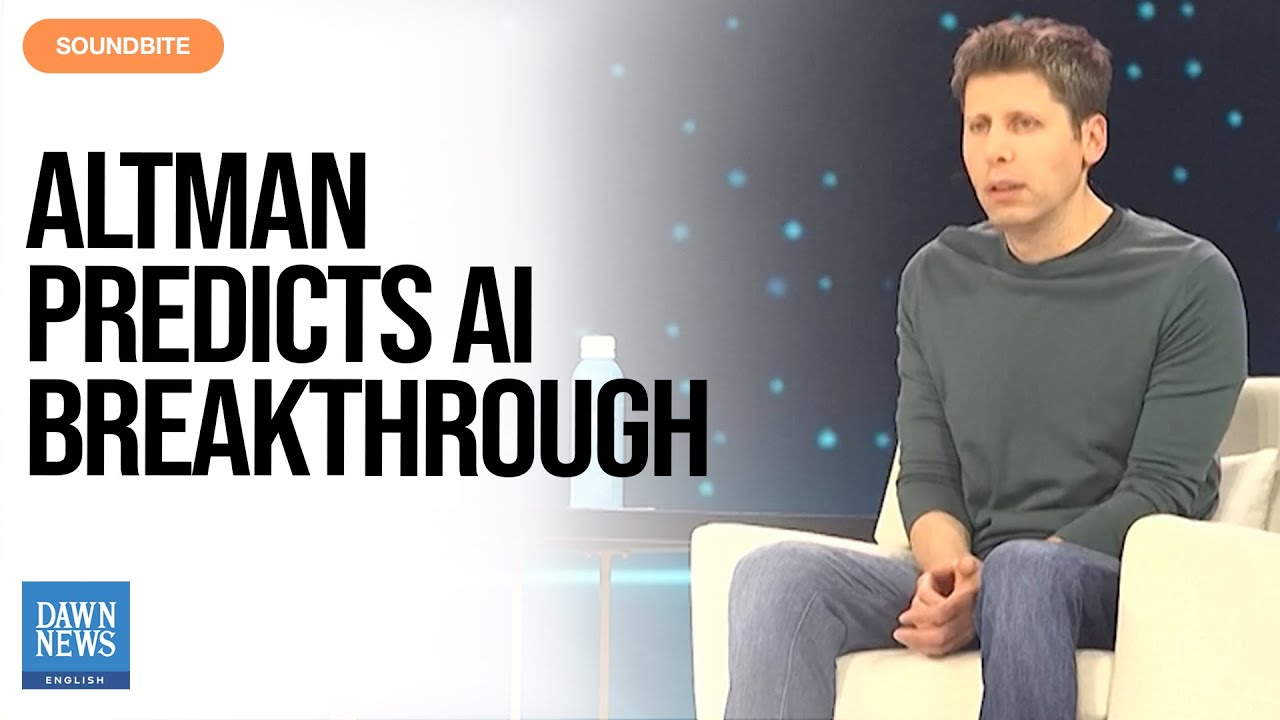
The optimistic view is that the advancements in quantum computing, aided by **AI**, could lead to significant breakthroughs in various fields, including drug discovery and materials science. Experts like **Sam Altman** have expressed that the integration of AI in scientific research could vastly improve quality of life. If managed properly, the transition to quantum computing could result in more efficient AI models, enhancing capabilities across industries and potentially leading to innovations that we cannot yet foresee.
Critical View
The pessimistic outlook warns of the severe risks posed by premature quantum computing capabilities. Experts like **Jeff Thompson** emphasize that the assumptions made in the research are largely untested, which could lead to overestimating the timeline for quantum threats. **Bas Westerbaan** highlights the potential for widespread vulnerabilities, where almost every system could be exposed to quantum attacks, leading to data breaches and extortion. This scenario underscores a critical lack of preparedness in the face of rapidly advancing technology.
Source
Originally reported by Time Magazine