
Contents
Overview
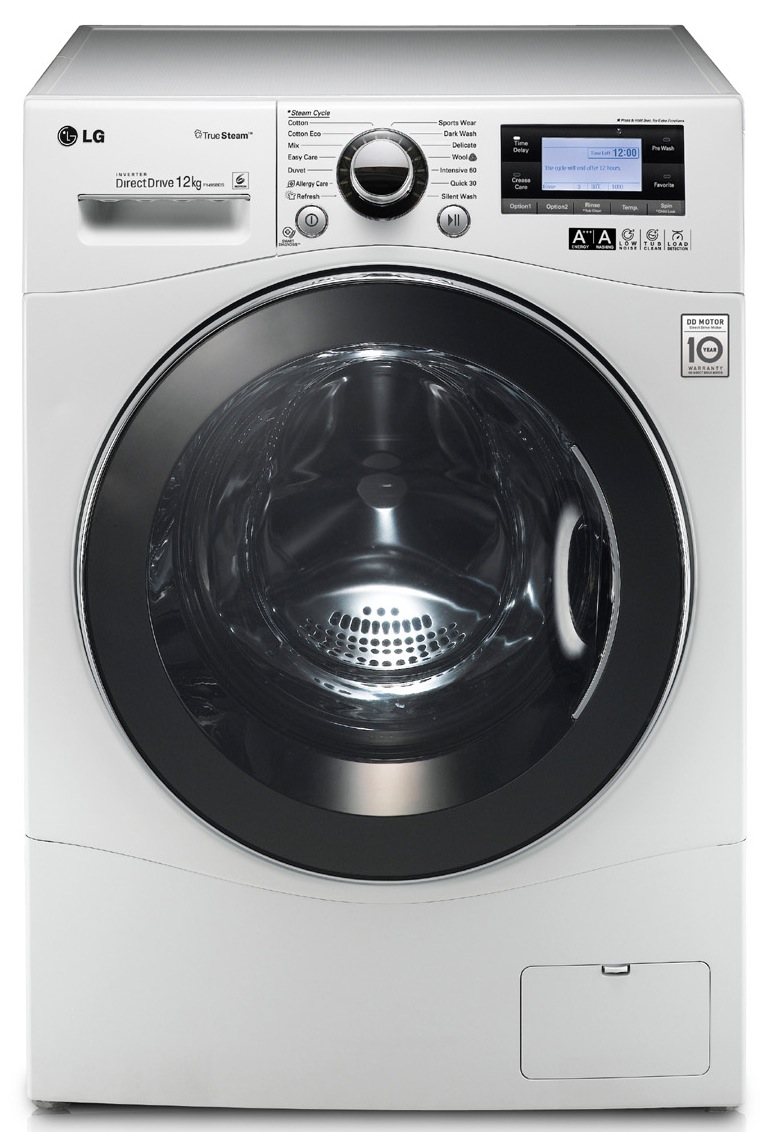
A washing machine is a household appliance designed to automatically clean clothing and textiles using water and detergent. These machines have evolved significantly from early manual contraptions to sophisticated, energy-efficient devices that automate the entire laundry process. The invention and widespread adoption of washing machines revolutionized domestic labor, freeing up countless hours previously dedicated to hand-washing clothes. Modern machines offer a variety of cycles tailored to different fabric types and soil levels, often incorporating smart technology for remote control and optimized performance. They are a cornerstone of modern home convenience, with global sales reaching tens of millions of units annually.
🎵 Origins & History
The history of the washing machine is a long march toward automating a universally arduous chore. Early attempts at mechanical washing date back centuries, with rudimentary devices like washboards and tubs being common. However, it wasn't until the late 19th and early 20th centuries that electric-powered machines began to emerge.
⚙️ How It Works
Modern washing machines operate through a complex interplay of mechanical action, water, and detergent. Typically, a user loads clothes into a drum, adds detergent to a dispenser, and selects a wash cycle. The machine then fills with water, heats it to the appropriate temperature (depending on the cycle), and begins agitating the clothes. This agitation, achieved through the rotation of the drum or an internal agitator, loosens dirt and stains. After the wash phase, the machine drains the dirty water and proceeds to a rinse cycle, filling with clean water to remove detergent residue. Finally, a high-speed spin cycle extracts excess water, leaving clothes damp and ready for drying. High-efficiency (HE) machines often use less water and energy, employing different drum designs and wash actions.
📊 Key Facts & Numbers
The global washing machine market is substantial. Manufacturers produce a significant number of units each year. Energy efficiency has become a critical metric. Certified models use less energy and water than their standard counterparts. The average washing machine cycle can consume a significant amount of water, depending on the machine's age and efficiency settings. The average lifespan of a washing machine is estimated to be around 10 to 15 years.
👥 Key People & Organizations
Several key individuals and organizations have shaped the washing machine industry. Major manufacturers have been at the forefront of innovation, investing heavily in research and development. Organizations like Energy Star and the Association of Home Appliance Manufacturers (AHAM) play crucial roles in setting standards, promoting efficiency, and advocating for the industry.
🌍 Cultural Impact & Influence
The washing machine's cultural impact is profound, fundamentally altering domestic life and gender roles. Before its widespread adoption, laundry was an incredibly time-consuming and physically demanding task, often relegated to women. The advent of automatic washing machines significantly reduced this burden, contributing to women's increased participation in the workforce and shifting societal expectations around household labor. It became a symbol of modernity and domestic convenience, featured prominently in mid-20th-century advertising and popular culture as a marker of a well-equipped home. The concept of 'wash day' transformed from an all-day ordeal to a simple task, freeing up time for leisure and other pursuits.
⚡ Current State & Latest Developments
Current developments in washing machine technology are heavily focused on connectivity, sustainability, and user convenience. Smart home integration allows users to control machines remotely via smartphone apps, receive cycle notifications, and even diagnose issues. AI-powered sensors are being integrated to automatically detect fabric types and soil levels, optimizing water usage, detergent dosage, and cycle duration. Manufacturers are also prioritizing eco-friendly designs, with a push towards even greater water and energy efficiency, and the use of more durable and recyclable materials.
🤔 Controversies & Debates
Despite its widespread utility, the washing machine is not without its controversies. A significant debate centers on water consumption, particularly in regions facing water scarcity. While HE machines have improved efficiency, the sheer volume of laundry generated by modern lifestyles remains a concern. Microplastic pollution from synthetic fabrics washed in machines is another growing issue, prompting research into filters and alternative fabric technologies. Furthermore, the planned obsolescence of some appliance models, leading to frequent replacements and increased electronic waste, has drawn criticism from environmental advocates and consumer groups. The energy consumption of older, less efficient models also remains a point of contention.
🔮 Future Outlook & Predictions
The future of washing machines points towards even greater automation, sustainability, and integration into the broader smart home ecosystem. We can expect to see more advanced AI that learns user preferences and optimizes cycles for specific garments. The development of 'smart detergents' that can be precisely dispensed based on sensor readings is also on the horizon. Integration with smart grids could allow machines to run during off-peak hours to save energy costs. Furthermore, innovations in waterless or low-water washing technologies, perhaps leveraging ultrasonic or advanced steam methods, could drastically reduce water footprints. The ultimate goal is a fully automated, hyper-efficient, and environmentally benign laundry solution.
💡 Practical Applications
Washing machines are indispensable in domestic settings worldwide, simplifying the essential task of cleaning clothes. Beyond the home, they are crucial in commercial laundromats, hotels, hospitals, and other institutions requiring large-scale laundry services. Specialized industrial washing machines are designed for extreme durability and capacity, handling everything from delicate hospital linens to heavy-duty workwear. In textile manufacturing, washing machines are used for pre-washing fabrics to remove sizing agents and impurities before dyeing or finishing. The technology also finds applications in scientific research, such as in laboratories for cleaning specialized equipment or preparing samples for analysis.
Key Facts
- Category
- technology
- Type
- product