
Contents
Overview
The Pulitzer Prize, established in 1917 by Joseph Pulitzer's will, honors outstanding achievements in journalism, literature, and musical composition within the United States. It comprises 21 categories, including investigative reporting, fiction, and drama, with winners announced annually. The prize not only elevates individual careers but also influences public discourse and cultural narratives. Controversies often arise around the selection process and the criteria for excellence, sparking debates about bias and representation. As media landscapes evolve, the relevance and impact of the Pulitzer Prize continue to be scrutinized, prompting questions about its future significance.
🏆 Overview of the Pulitzer Prize
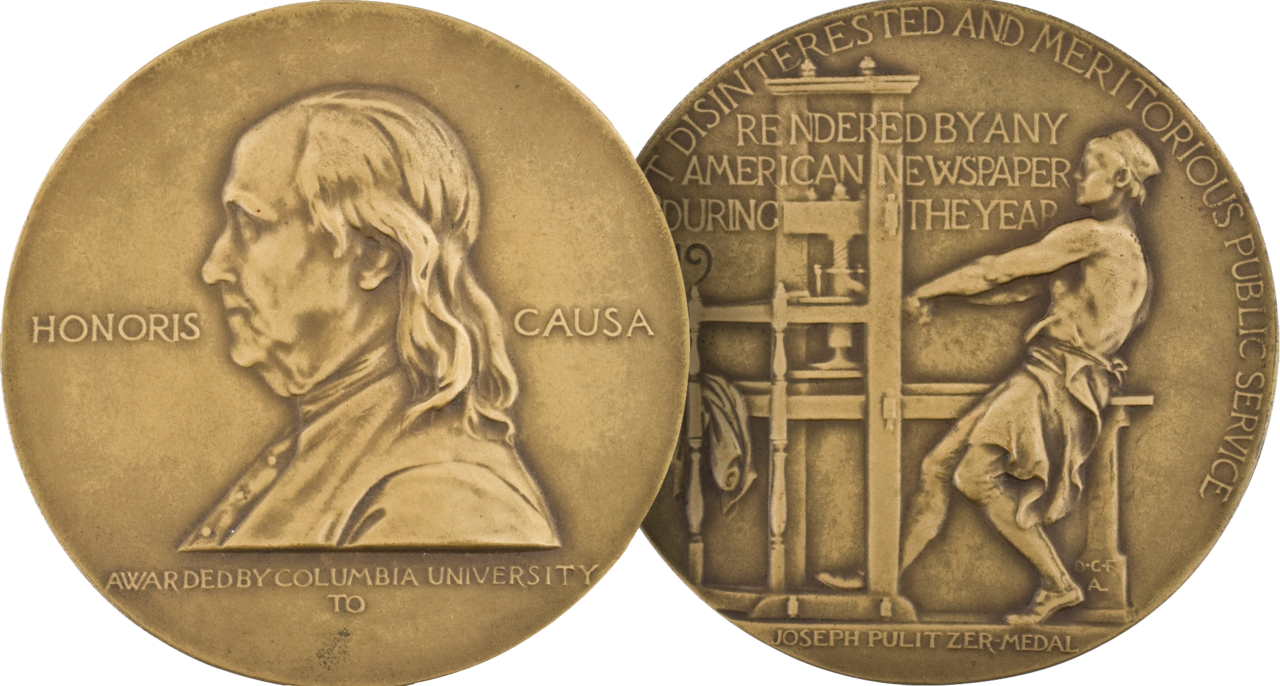
The Pulitzer Prize is a prestigious set of 23 annual awards recognizing excellence in journalism, literature, and musical composition within the United States. Established by the will of newspaper publisher Joseph Pulitzer, these awards are administered by Columbia University in New York City. The prizes are awarded in various categories, including investigative journalism, fiction, and drama, making them a benchmark for quality and integrity in the fields they cover. Winning a Pulitzer can significantly elevate a recipient's career and visibility in their respective field, making it a coveted achievement for many professionals Learn more about the awards.
📅 History & Establishment
The Pulitzer Prizes were established in 1917, following the directives laid out in Joseph Pulitzer's will. Pulitzer, a Hungarian immigrant who became a prominent figure in American journalism, envisioned these awards as a means to encourage high standards in journalism and the arts. The first awards were presented in 1917, and since then, the prizes have evolved to reflect changes in society and the media landscape. Notably, the establishment of the prizes coincided with a period of significant social change in the U.S., including the rise of investigative journalism during the Progressive Era Explore the history.
🌟 Categories of Awards
The Pulitzer Prizes cover a range of categories, including Journalism (Public Service, Breaking News Reporting, Investigative Reporting), Letters (Fiction, Drama, History), and Music. Each category has specific criteria and is judged by panels of experts in the respective fields. For example, the Journalism category emphasizes the importance of public service and investigative reporting, while the Letters categories celebrate literary excellence and creativity. This diversity in categories allows the Pulitzer to honor a wide array of achievements across different disciplines See all categories.
📍 Location & Access
The Pulitzer Prizes are headquartered at Columbia University in New York City, where the awards are administered. The annual awards ceremony typically takes place in May, coinciding with the announcement of the winners. While the ceremony is not open to the public, the winners are announced through a live-streamed event, allowing audiences nationwide to celebrate the achievements in journalism and the arts. For those interested in attending the ceremony or learning more about the awards, Columbia University provides resources and information on their official website Visit Columbia University.
💰 Eligibility & Application Process
To be eligible for a Pulitzer Prize, candidates must have their work published or produced in the United States during the previous calendar year. Nominations can be submitted by individuals or organizations, and there is no fee to enter. The application process involves submitting the work along with a detailed explanation of its significance and impact. The deadline for nominations typically falls in January, with winners announced in April Learn about the nomination process.
⭐ What Winners Say
Winners of the Pulitzer Prize often express immense pride and validation in receiving such a prestigious award. Many report that the recognition has opened doors for new opportunities, collaborations, and increased visibility in their fields. For instance, winners in journalism often find their investigative work receiving heightened attention and support following their award. This recognition not only honors their past work but also serves as a platform for future projects Read quotes from winners.
🔍 Selection Process
The selection process for the Pulitzer Prizes is rigorous and involves multiple stages. Nominations are reviewed by juries composed of experts in each category, who then recommend finalists to the Pulitzer Prize Board. The Board, which includes prominent figures from journalism and the arts, makes the final decision on the winners. This multi-tiered approach ensures that the awards maintain their integrity and reflect the highest standards of excellence Understand the selection process.
📈 Impact on Journalism & Arts
The impact of the Pulitzer Prize on journalism and the arts is profound. Winning a Pulitzer can elevate the profile of a journalist or artist, leading to greater influence and opportunities. The awards also serve to highlight important social issues, as many winning works address critical topics such as civil rights, corruption, and human rights. As journalism continues to evolve in the digital age, the Pulitzer Prizes remain a vital institution that champions quality and accountability in storytelling Explore the impact of the awards.
Key Facts
- Year
- 1917
- Origin
- United States
- Category
- Awards
- Type
- Award
Frequently Asked Questions
Who can nominate work for the Pulitzer Prize?
Any individual or organization can nominate work for the Pulitzer Prize, provided it has been published or produced in the United States during the previous calendar year. There is no fee to enter the nomination process, making it accessible for a wide range of candidates.
What are the main categories of the Pulitzer Prize?
The Pulitzer Prize includes categories for Journalism (such as Public Service and Investigative Reporting), Letters (including Fiction and Drama), and Music. Each category has specific criteria that reflect the values and standards of excellence in that field.
When are the Pulitzer Prize winners announced?
Winners of the Pulitzer Prize are typically announced in April, with an awards ceremony held in May. The announcements are made during a live-streamed event, allowing audiences to celebrate the achievements in journalism and the arts.
How does winning a Pulitzer Prize affect a recipient's career?
Winning a Pulitzer Prize can significantly enhance a recipient's career, leading to increased visibility, new opportunities, and recognition in their field. Many winners report that the award has opened doors for future projects and collaborations.
What is the selection process for the Pulitzer Prize?
The selection process for the Pulitzer Prize involves multiple stages, including nominations reviewed by juries of experts in each category. The Pulitzer Prize Board, which includes prominent figures from journalism and the arts, makes the final decision on the winners.